Get free quotes from drone inspection near you
Takes about a minute. Free, no obligation; providers reply to you directly.
A general contractor I know hired the first drone operator he found on a freelance marketplace — low hourly rate, five-star reviews, fast response. The guy showed up, flew the job, sent over a ZIP file of raw JPEGs, and disappeared. No report structure, no thermal overlay, no georeferencing. The GC needed the data for a roof warranty claim, and none of it was usable. He paid twice: once for the cheap freelancer, once for an agency to redo it correctly.
That story isn’t unusual. It’s basically the origin story for half the calls agency firms receive.
The Short Version:Hire a freelance drone operator for one-off, low-stakes inspections where raw imagery is enough. Hire an agency when you need a structured deliverable — thermal overlays, measurement data, geotagged reports — or when the job recurs. Price-chasing on inspection data is expensive.
Key Takeaways:
- Drone inspections cut inspection time from hours or days to minutes — but only if the data is actually usable when it lands on your desk.
- Freelancers compete on price; agencies compete on deliverables. They are solving different problems.
- High-accuracy work (structural assessment, insurance loss documentation, utility surveys) requires professional-grade equipment that most solo operators don’t own.
- For multi-site or recurring inspections, agencies scale without coordination overhead. For a single roof assessment, a vetted freelancer is often the right call.
What You’re Actually Buying
Here’s what most people miss: drone inspection services aren’t a commodity. The drone is just the camera platform. What you’re actually buying is the data pipeline — how it’s captured, processed, and delivered.
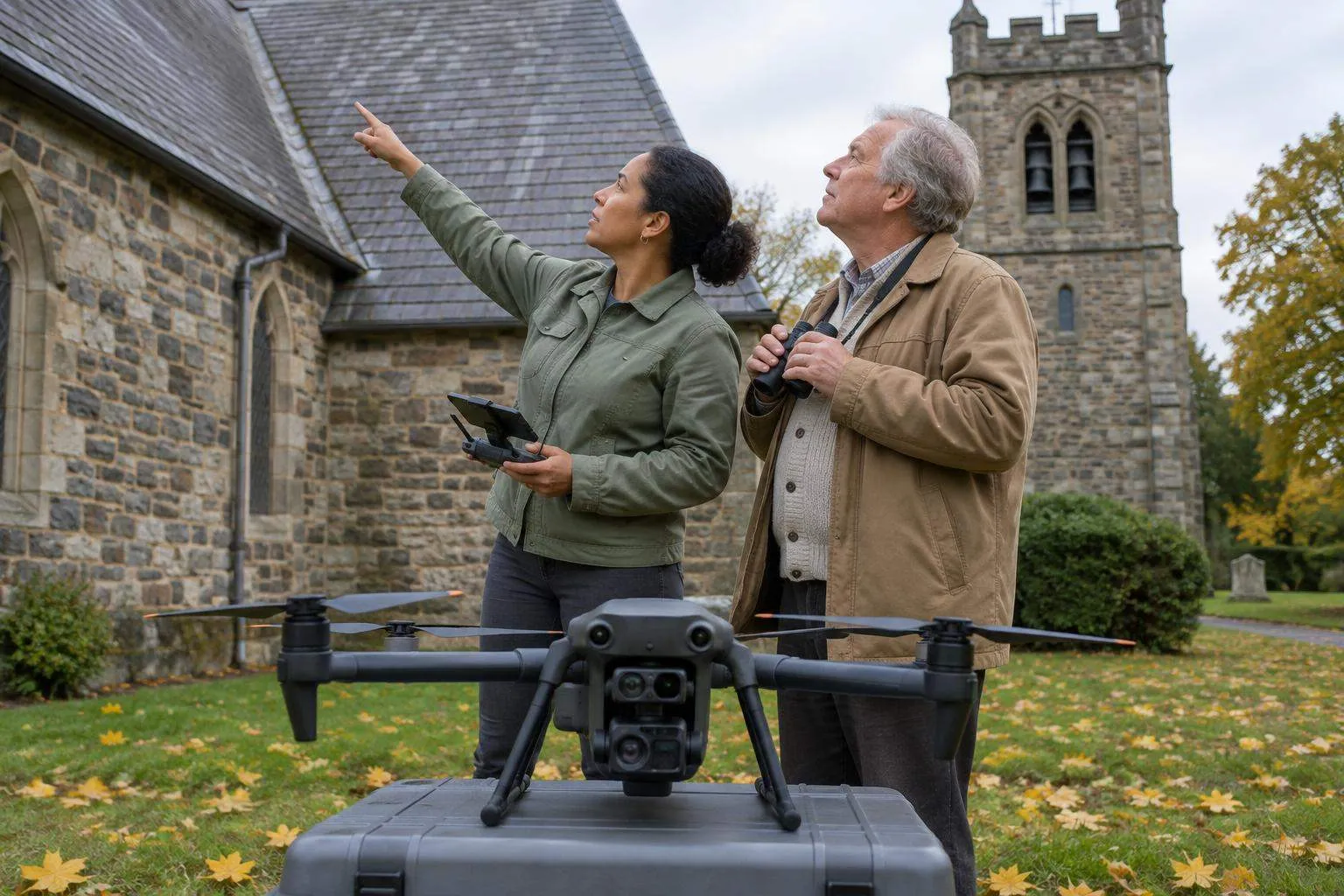
A freelance operator is typically a Part 107-certified pilot with their own UAV doing field data collection. They’re skilled at flying, often excellent at it. The question is what happens after the flight.
An agency — or DRaaS (Drone-as-a-Service) firm — wraps the pilot inside a larger service model: job coordination, equipment selection, post-processing, report generation, and delivery against a defined spec. You order a result; they figure out how to produce it.
These are genuinely different products wearing the same label.
The Honest Comparison
| Factor | Freelance Operator | Agency / Firm |
|---|---|---|
| Cost structure | Lower hourly rate; minimal overhead | Higher project cost; includes processing & reporting |
| Best fit | One-off, small-scale, low-accuracy needs | Recurring, multi-site, high-accuracy deliverables |
| Deliverables | Raw imagery; basic reports | Geotagged photos, thermal overlays, measurement data |
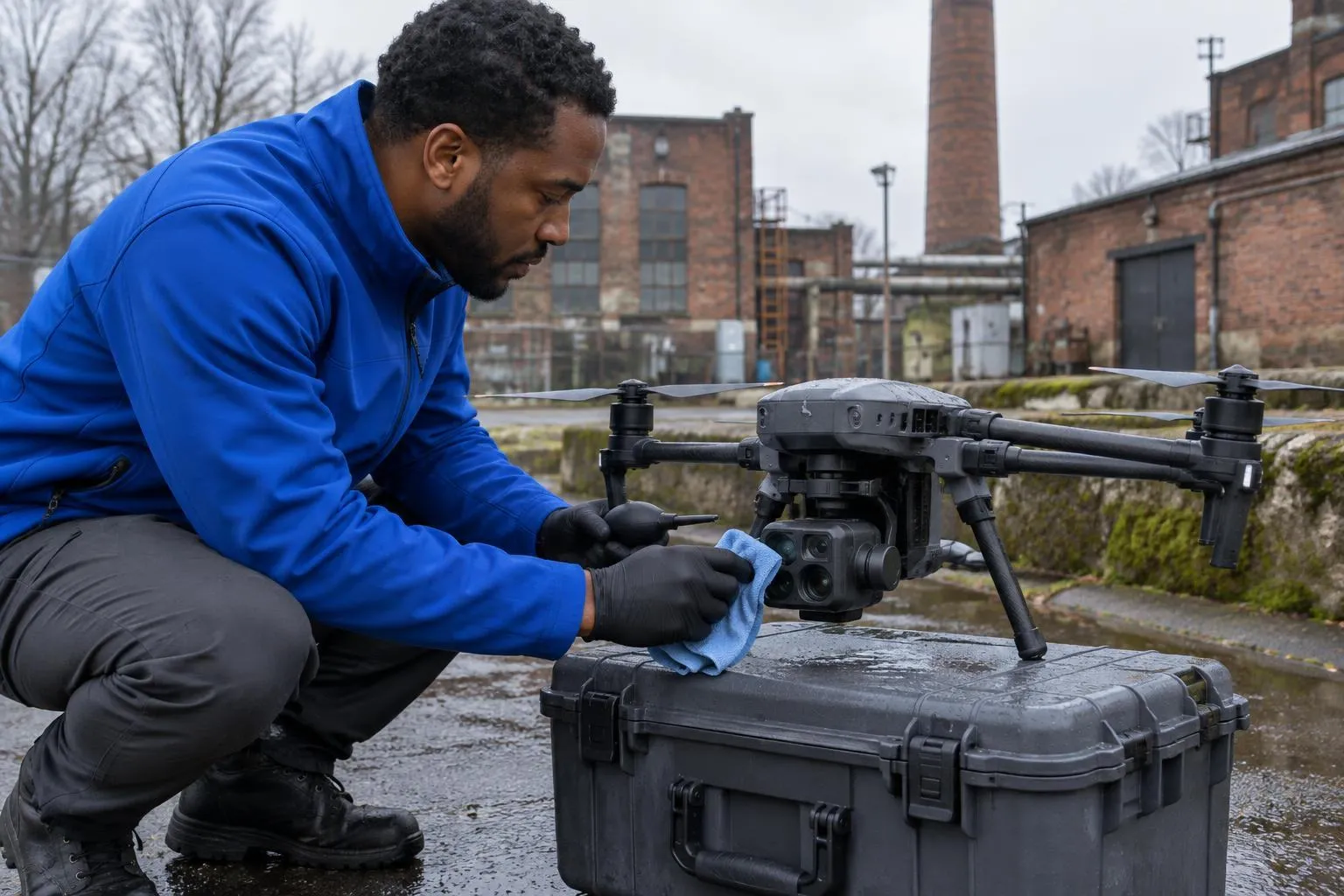
| Equipment | Varies; often prosumer-grade | Access to specialized thermal & multispectral sensors |
| Scheduling | Fast and flexible | Less flexible; more coordination required |
| Regulatory currency | Pilot’s own responsibility | Firm maintains compliance across all operators |
| Scalability | One operator, one site at a time | Multi-crew, multi-site deployments |
| Accountability | You get what you negotiated | Contract-backed SLA and deliverable spec |
When Freelance Makes Sense
I’ll be honest — freelancers get a worse reputation than they deserve in some circles, mostly from agencies doing the talking. Solo operators built this industry. Many are excellent.
Freelance works when:
- The scope is small and defined. A single-family roof assessment for an insurance adjuster, a construction progress photo set, a single cell tower visual inspection. The job is well-understood, the deliverable is simple, and the stakes are low if something needs a re-fly.
- Raw imagery is sufficient. If your workflow involves pulling stills into your own system, you don’t need a firm to post-process them.
- You’ve vetted the operator. Part 107 certification is the floor, not the ceiling. Ask for sample deliverables from similar jobs. Ask what drone they’re flying and what cameras they’re carrying. A DJI Phantom with a stock camera won’t give you actionable thermal data.
- Hourly pricing makes sense. For small-scale, short-duration work, hourly is exactly the right model. You’re not paying for overhead you don’t need.
Pro Tip:When vetting a freelance operator, ask for a sample inspection report from a comparable job — not just their best aerial photography. The quality gap between a technically proficient pilot and a technically proficient inspector is wide.
When an Agency Is Worth the Premium
Agencies earn their margin on complexity, scale, and accountability. The moment any of those three factors shows up in your job, the calculus shifts.
Agency works when:
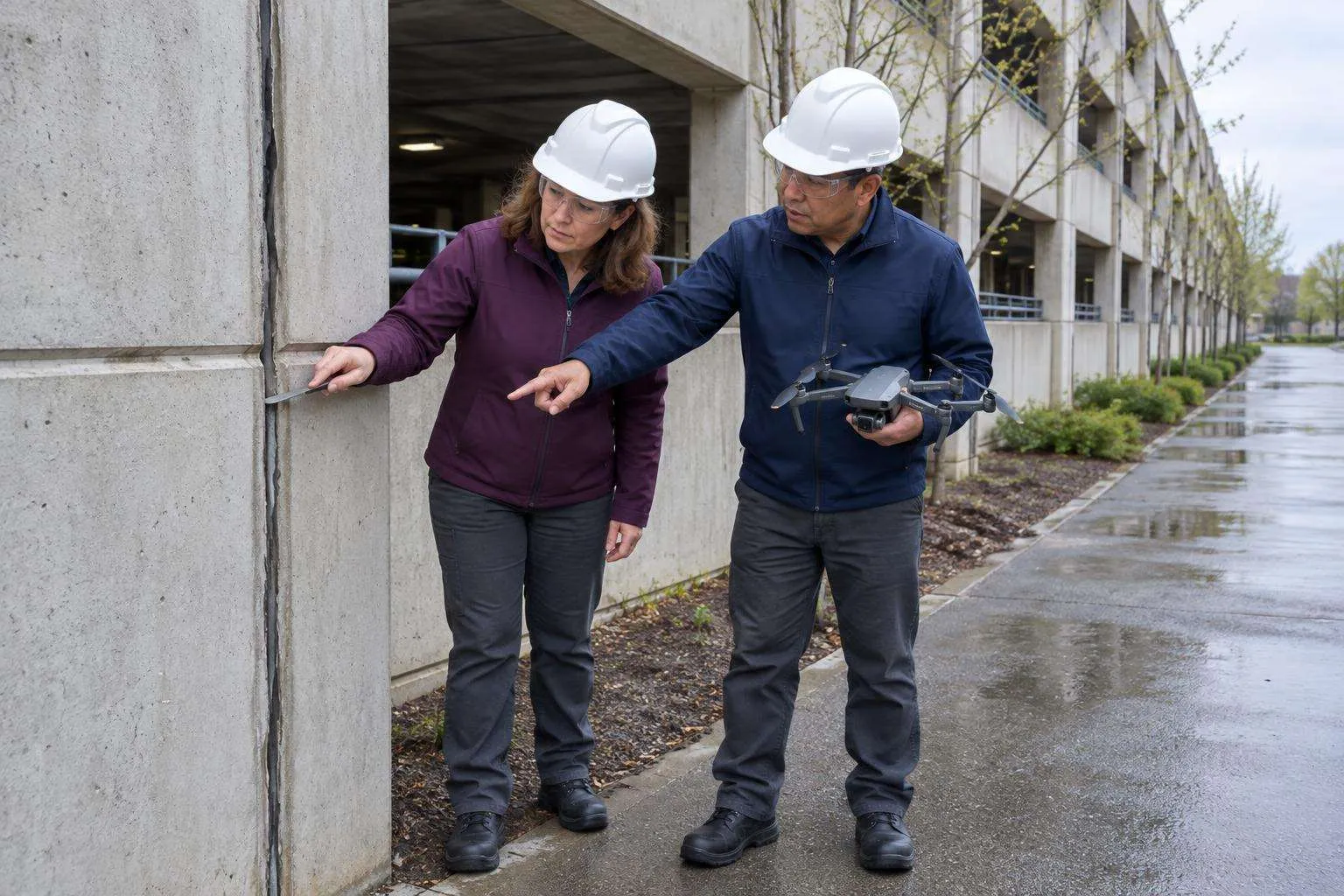
- Accuracy requirements are high. Structural engineering assessments, solar array thermal scans, utility transmission line surveys — these require calibrated sensors, ground control points, and processing workflows that most freelancers don’t operate. Getting this wrong isn’t a minor inconvenience; it’s liability exposure.
- The job recurs. A quarterly roof inspection program across a commercial portfolio. Monthly construction progress documentation for an active build. Agencies build repeatable workflows. Freelancers improvise.
- You need an SLA-backed deliverable. “Geotagged photo set, thermal overlay, and defect report within 48 hours” is a contract term. It’s enforceable with a firm. It’s a hope with a freelancer.
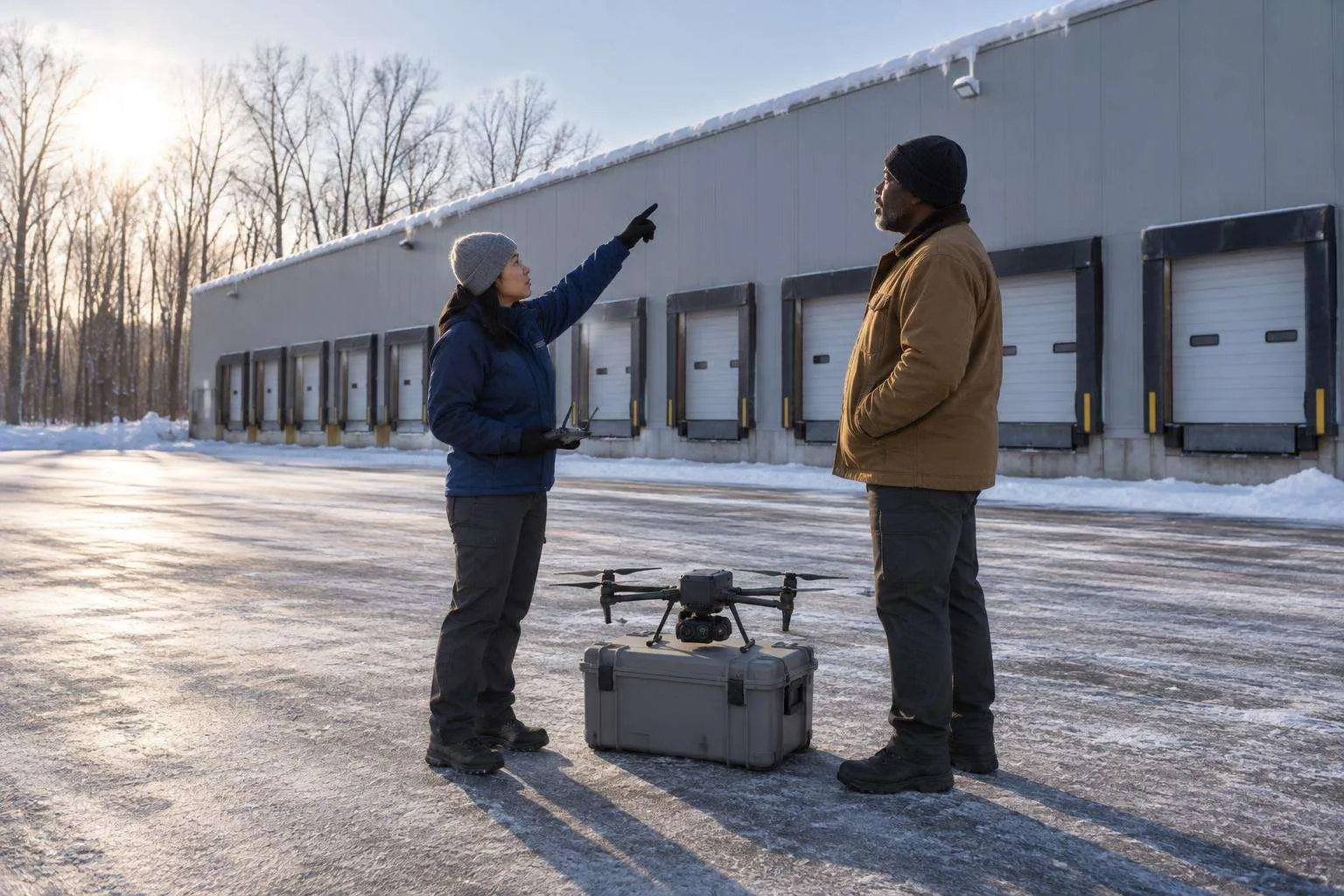
- Multi-site coordination is involved. Mobilizing crews across sites, sequencing flights around weather, and delivering unified reports requires logistics infrastructure solo operators can’t realistically provide.
Reality Check:DRaaS pricing structures are often rigid — fixed project costs with limited negotiating room. If your volume is high enough, the math can tip back toward building in-house capacity. For most buyers, though, in-house drone programs carry significant ongoing costs: hardware, software, training, and keeping up with regulatory changes. Outsourcing still wins for most use cases.
The Price vs. Reliability Trade-Off (Plainly Stated)
Freelancers compete on price. That’s not a criticism — it’s a market reality. When you’re price-competing, quality is the first casualty.
This doesn’t mean freelancers deliver low-quality work. It means the incentive structure pushes in that direction, and you have to actively counteract it through vetting.
Agencies compete on reliability and deliverable quality. Their incentive structure pushes toward consistent output because their reputation and client retention depend on it. You pay for that alignment.
Nobody tells you this explicitly, but the cheapest drone inspection quote is usually cheapest because the operator is skipping something — post-processing time, better sensor equipment, a second review pass on the report. That skipped step is what you’ll miss when the data doesn’t hold up.
Drone inspections already beat traditional methods on time and cost by a significant margin — cutting multi-day manual inspections down to minutes. The long-term savings from catching a structural issue early, or documenting storm damage accurately for a claim, dwarf the cost difference between a $200 freelancer day rate and a $600 agency project fee.
Practical Bottom Line
Start here:
- Define your deliverable before you shop. Raw imagery or structured report? One site or many? One-time or recurring? The answer to those questions tells you which model you need before you talk to anyone.
- Match scope to model. Small, one-off, imagery-only: vet a freelance operator and hire hourly. Multi-site, recurring, accuracy-critical: get agency quotes.
- Vet anyone you hire. Part 107 cert is mandatory, not differentiating. Ask for sample deliverables from comparable work. Ask what equipment they’re flying. Ask how they handle a re-fly if the data has issues.
- Don’t optimize for day rate on high-stakes jobs. Insurance loss documentation, structural assessment, and utility inspections have downstream consequences if the data is wrong. This is where the agency premium pays for itself.
For a broader look at what drone inspection data can actually do for your project, the Complete Guide to Drone Inspection Services covers the full picture — from FAA certification requirements to what’s inside a standard deliverable report.
Done reading? Get quotes from drone inspection services near you.
Takes about a minute. Free, no obligation; providers reply to you directly.
Popular cities:
Nick built this directory to help general contractors and risk managers find FAA Part 107-certified drone inspectors without wading through generalist photography outfits that added a drone as an upsell — a conflict of interest he ran into when trying to document storm damage on a commercial roof and couldn’t tell which operators carried the commercial liability insurance to back their reports.