Drone inspection services listed in New York
See all 6 in New York →- 1FAA Licensed · NYC Airspace Authorized
AeroSpect NY provides drone-based façade and aerial inspections for architects, engineers, real estate developers, and facility managers. Since 2018, it has performed drone façade inspections in New York City and also offers accident forensics, LiDAR scanning, drone delivery, and equipment rentals.
- 2New York City
Dronegrafix, founded in 2019, provides drone imagery, thermal and LiDAR scans, 3D modeling, and digital documentation for façade inspections, construction monitoring, and building-condition reporting. It serves property owners, co-op and condo boards, engineers, architects, contractors, property managers, and developers across New York City, the Tri-State region, and Florida.
- 3FAA Certified Drone Pilots
Long Island Drone Services provides aerial photography, video, drone mapping, and inspection services. It serves Nassau, Suffolk, and the New York Metro area, including construction-project progress and roof inspections. The business states that its FAA-certified drone pilots have 15 years of TV and film experience.
- 4Katonah
MYND Workshop is a New York-based 3D laser scanning and reality capture company with a presence across the U.S. It provides drone surveys using aerial LiDAR and photogrammetry, including orthophotos, topographic maps, and facade inspections.
- 5FAA Part 107 Certified Pilot
Overlook Drone Solutions provides FAA Part 107-certified drone inspection services across New York, New Jersey, Pennsylvania, and Connecticut. It serves construction managers, facility owners, and commercial operators with inspections of roofs, towers, solar arrays, and infrastructure. Michael D'Andrilli is identified as co-founder, lead drone operator, and an FAA Part 107 Certified Pilot.
Get free quotes from drone inspection in New York
Takes about a minute. Free, no obligation; providers reply to you directly.
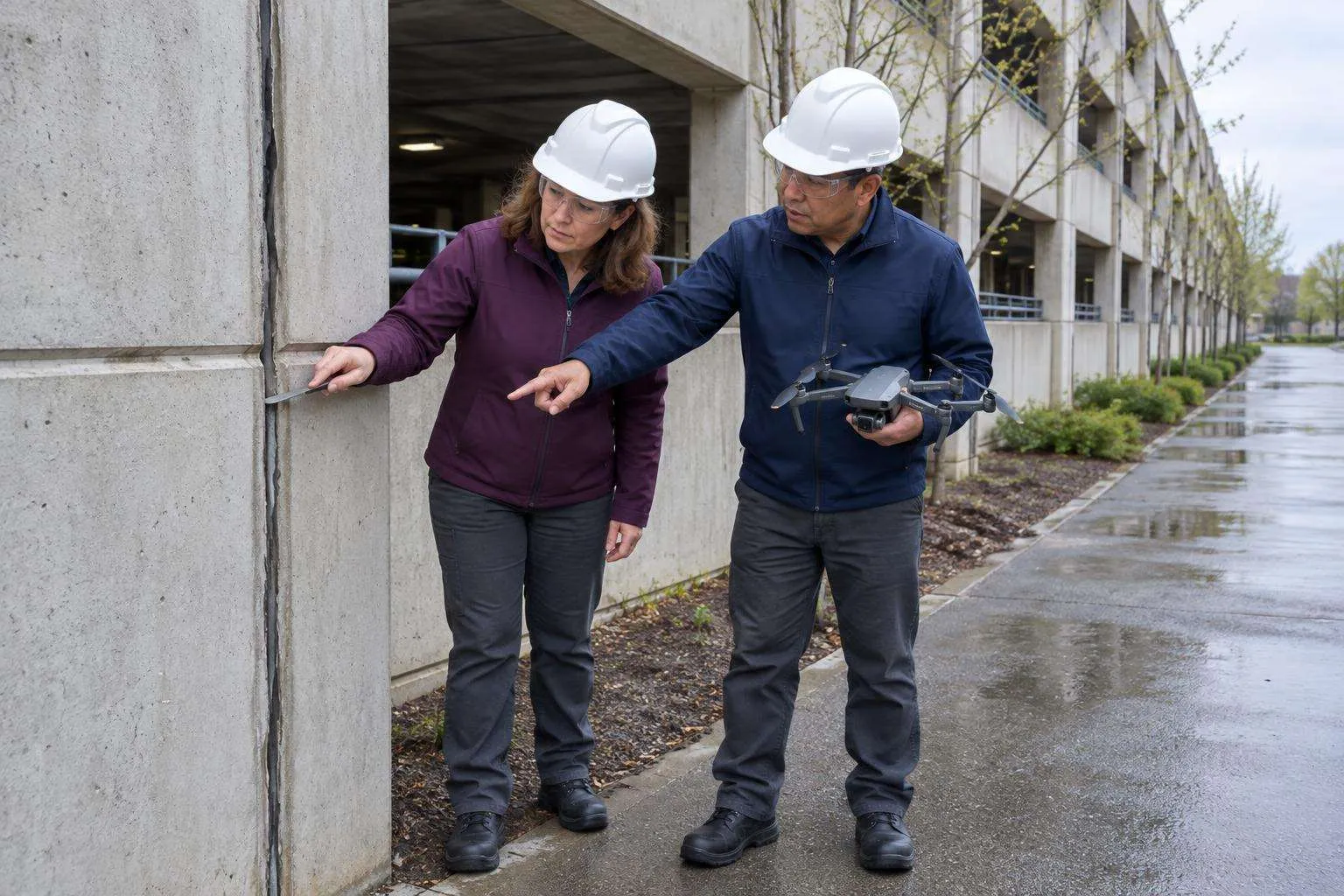
The building manager sent me the scaffold estimate first. Forty-two floors, full perimeter wrap, six weeks minimum — $380,000 just to comply with FISP. The city had flagged the facade after a chunk of terracotta landed on the sidewalk, and now the clock was ticking. A colleague mentioned drones offhand, almost as a joke. Three days later, a two-person crew with a thermal-equipped UAV had documented every inch of that facade for less than the cost of the scaffold permit.
That’s when I stopped thinking of drone inspection as a novelty.
The Short Version:For most New York building owners and contractors, drone inspections run $150–$400 for a residential roof up to $1,000–$100,000+ for large commercial projects. FAA Part 107 certification is non-negotiable — verify it before you hire anyone. NYC’s FISP facade compliance is the dominant use case, and providers like THE FUTURE 3D, Aerospect NY, and Dronegrafix are the names that keep coming up for good reason.
Key Takeaways:
- FAA Part 107 certification is required for every commercial drone operator — no exceptions, no workarounds
- NYC’s FISP (Facade Inspection Safety Program) has created massive demand for drone-based facade documentation
- Project-based pricing ($1,000–$100,000+) is replacing hourly rates for anything beyond a simple roof scan
- Thermal imaging (FLIR) and LiDAR are the technologies that separate serious providers from weekend pilots
Why New York Is a Different Market
Here’s what most people miss: drone inspection in New York isn’t just “fly over the roof and send a video.” The market is shaped by a compliance regime that doesn’t exist anywhere else in the country.
NYC’s FISP requires periodic facade inspections for buildings taller than six stories. Traditionally, that meant scaffolding, rope access, and months of scheduling headaches. Drones changed the math. A thermal scan combined with LiDAR point clouds can produce documentation that satisfies FISP requirements in a fraction of the time — and without closing the sidewalk for eight weeks.
That compliance pressure is the villain driving most of the commercial work here. The providers worth hiring have built their entire service model around solving it.
Reality Check:Not every company advertising “drone inspections” in New York understands FISP compliance. Beautiful footage is not the same as documentation a licensed facade inspector will accept. Ask specifically whether their deliverable package has cleared FISP review before — and get it in writing.
The Providers Actually Worth Calling
The New York drone inspection directory lists verified local providers, but here’s a practical breakdown of who does what:
| Provider | Coverage | Specialization | Thermal Imaging | Notable Capability |
|---|---|---|---|---|
| THE FUTURE 3D | Nationwide (50 states) | Buildings, roofs, facades | Radiometric FLIR | ±2–4mm survey accuracy, 1-hr emergency response |
| Aerospect NY | NYC metro | Facade inspections (FISP) | Yes | NYC architecture expertise |
| Dronegrafix | Tri-State, FL, nationwide | FISP compliance, LiDAR | Yes | Verified NYC directory listing |
| Overlook Drone Solutions | NY/NJ/CT/PA | Infrastructure, construction | Yes | FAA Part 107 confirmed |
| Hudson Valley Drones | NYC + Hudson Valley | Commercial inspections | Varies | Regional focus |
THE FUTURE 3D stands out on the technical specs: they own their equipment fleet rather than renting, which translates directly to survey-grade accuracy of ±2–4mm versus the looser tolerances you get from commodity rental gear. They’re also an NYC DOE approved vendor, which tells you something about how seriously they take documentation standards. The 1-hour emergency deployment claim matters when you’re dealing with an active facade hazard and the city is watching.
Aerospect NY is the name that keeps coming up in FISP-specific conversations. They’ve built their practice around understanding how NYC building management actually works — the gap between “we flew it” and “the inspector accepted it” is where most providers fall short.
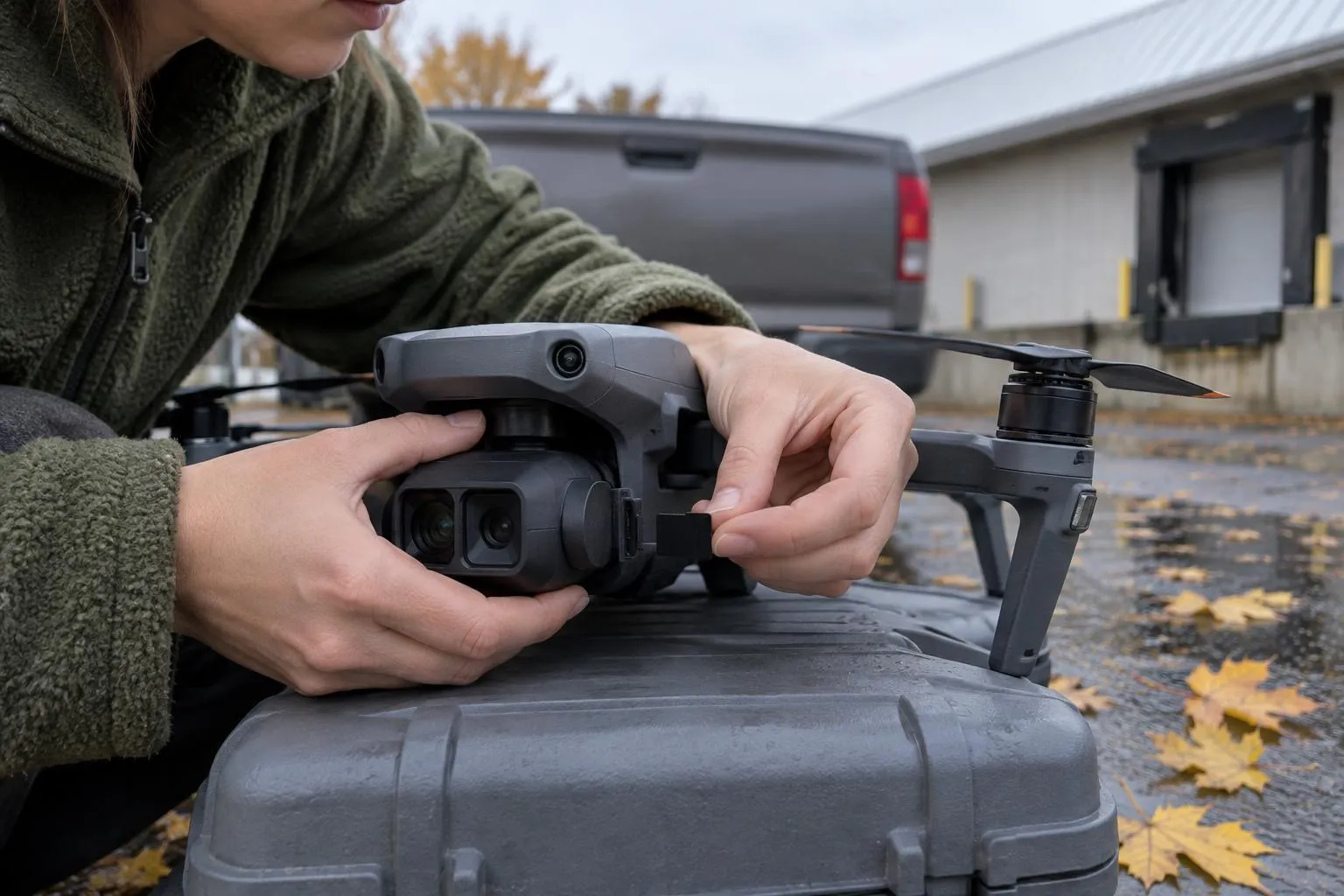
Pro Tip:Ask every provider whether they own or rent their primary inspection equipment. Owned fleets mean consistent sensor calibration and known maintenance history. Rented equipment means you’re trusting that whoever had the drone last week took care of it.
What It Actually Costs
Nobody tells you that pricing in this market spans three orders of magnitude, and that range reflects genuine differences in deliverables — not just company size.
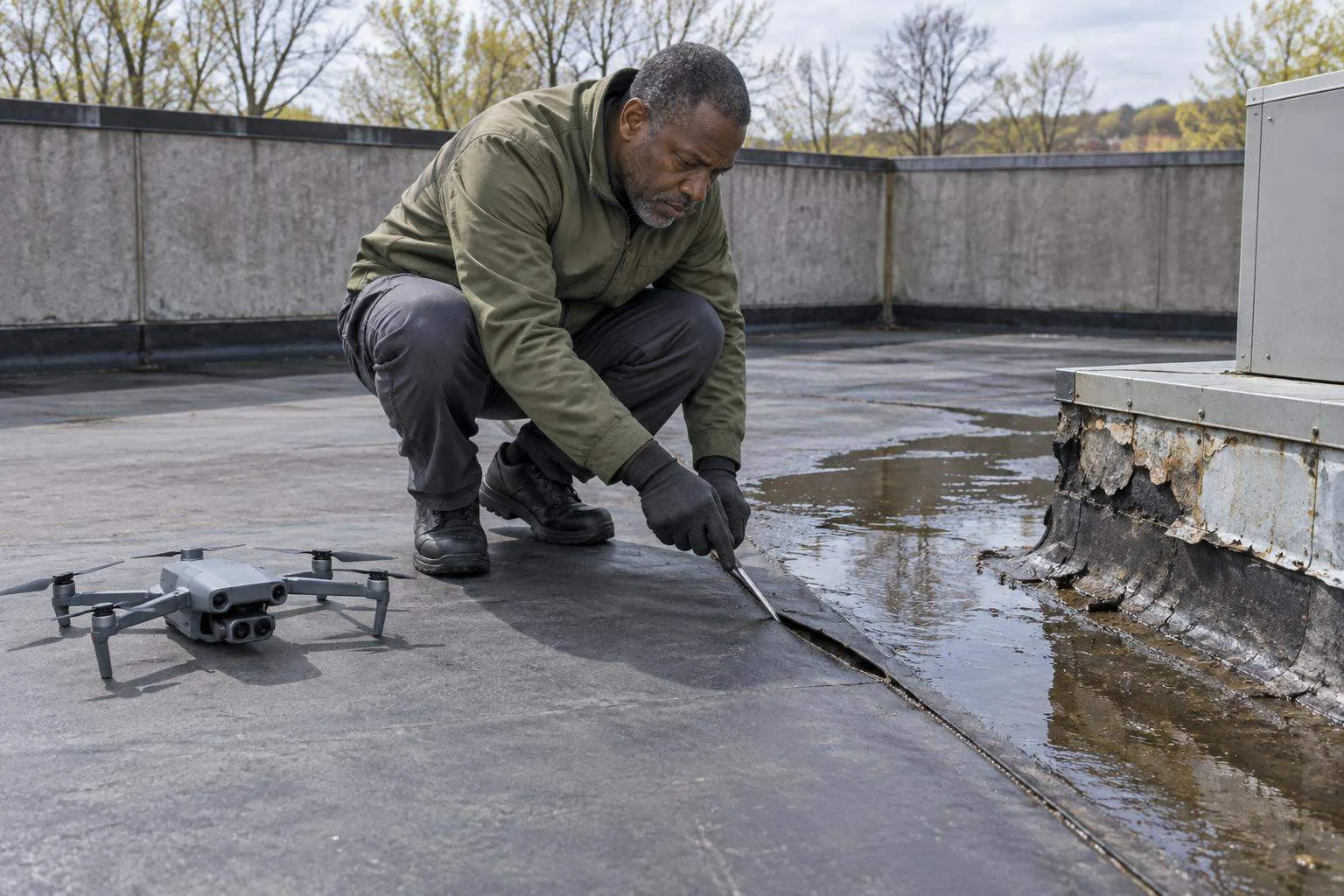
- Residential roof inspection: $150–$400 for a standard home assessment
- Professional pilot hourly rate: $80–$250/hour (rarely the right structure for larger jobs)
- Commercial and facade projects: $1,000–$100,000+ depending on scope, building height, and deliverable complexity
The shift toward project-based pricing is real and worth pushing for. An hourly rate sounds transparent until you realize a slow pilot billing by the hour costs you more than a fast crew with a flat fee. For anything involving LiDAR, thermal overlays, or formal compliance reports, negotiate pricing tied to deliverables rather than flight time.
For FISP work specifically, get quotes that itemize the final report — not just the flight. The flight is maybe 20% of the cost. The point cloud processing, thermal overlay, and documentation package are where the real work lives.
I’ll be honest: if a provider is offering FISP-quality documentation at residential roof scan prices, something is missing from the deliverables or the certification chain.
How to Hire Without Getting Burned
The Complete Guide to Drone Inspection Services covers the full evaluation framework, but New York has its own short checklist:
1. Verify FAA Part 107 certification. This is the floor, not a differentiator. Every legitimate commercial operator must hold it and can prove it on request.
2. Confirm FISP deliverable compatibility. Get written confirmation that their report format has been accepted by a licensed facade inspector. Ask for a sample report before you sign anything.
3. Ask about equipment ownership. Owned fleet equals consistent calibration. Rented gear means unknown history.
4. Clarify post-processing turnaround. Standard deliverables run 24–48 hours. Emergency situations need a provider with 24/7 availability — THE FUTURE 3D’s 1-hour deployment window exists specifically for active hazard situations.
5. Get a scope-tied proposal, not an hourly quote. Structure payment around deliverables: flight complete, thermal report delivered, FISP documentation package signed off.
Reality Check:The FAA Part 107 test is not that hard. Some operators get certified and then never fly a commercial job. Certification is necessary but not sufficient — ask for a portfolio of completed inspections similar in scope to your project, not just a license number.
Practical Bottom Line
New York’s drone inspection market is mature enough that you don’t have to gamble on unknowns. The FISP compliance regime has forced serious providers to get serious — proper equipment, proper documentation, proper certification chains.
For facade and FISP work: Aerospect NY and Dronegrafix have the track record in the five boroughs. For large-scale or time-sensitive projects where you need nationwide backup capacity and emergency response, THE FUTURE 3D’s owned fleet and 1-hour deployment make them worth a quote.
Start with the New York directory to see verified local providers, then cross-reference with the Complete Guide to Drone Inspection Services to understand exactly what deliverables you should be requiring before you sign anything.
The scaffold estimate is still sitting in someone’s inbox. The drone crew finished in three days.
Done reading? Get quotes from drone inspection services in New York.
Takes about a minute. Free, no obligation; providers reply to you directly.
Popular cities:
Nick built this directory to help general contractors and risk managers find FAA Part 107-certified drone inspectors without wading through generalist photography outfits that added a drone as an upsell — a conflict of interest he ran into when trying to document storm damage on a commercial roof and couldn’t tell which operators carried the commercial liability insurance to back their reports.